By Tessa Kelly, Lab Manager, The Dairy Authority
Most days opening boxes of samples received for testing is kind of like Christmas: “What do we get to test today?”
Well, it is, until you discover the samples are unusable because they are warm, leaking or cracked because they were not packed securely, or that the submission form that is supposed to tell us who sent them and what test to run is missing. The other big disappointment is when samples look ok on arrival, but the samples themselves are contaminated, most often with manure, straw or dirt.
Having to notify someone that we can’t get them the answers they need today is disappointing for both sides. It’s time and money lost. But those losses can easily be avoided.
At The Dairy Authority Lab our goal is to provide accurate and actionable results within 24 hours of receiving samples every Monday through Friday. But to do that we need your help. Use the following suggestions to help you avoid the three most common mistakes seen with sample submissions.
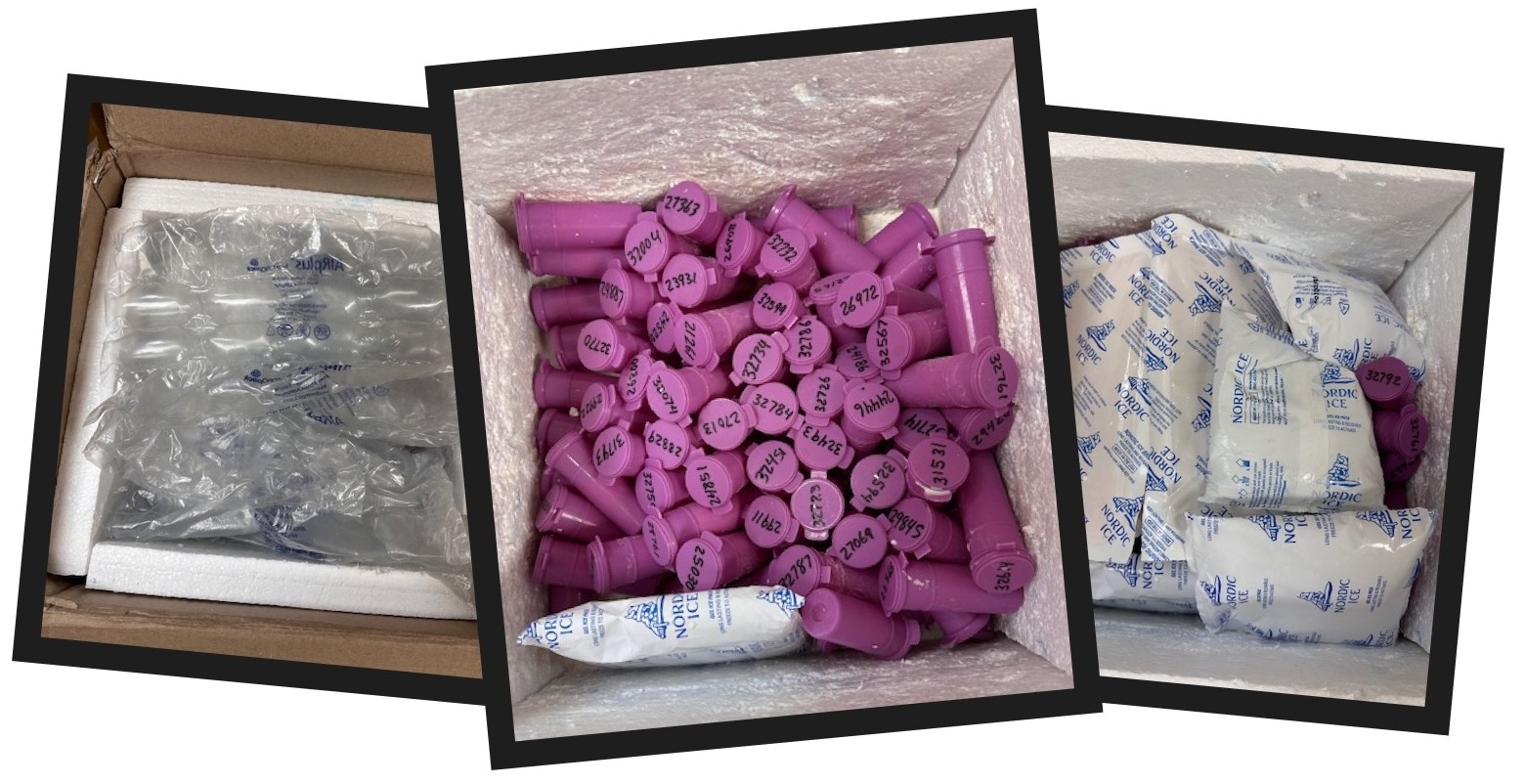
- Shipping. No matter what type of sample you are sending in -- milk, blood, ear notches, feed, etc. -- they need to be packed tightly and securely so samples don’t move around during shipping. How securely samples are packed determines if they arrive intact – not broken or leaking. Make sure snap-top lids are snapped securely into place and that Ziploc bags are fully sealed. All samples should be labeled with waterproof, smudge-proof materials. Use ice packs to keep samples cold, and bubble wrap or other packing materials to hold snuggly and securely to prevent damage during shipping. Always ship overnight or 2-day using UPS or FedEx. Check with us in advance to determine whether samples should be sent frozen or just packed with ice packs to stay cold.
- Include the submission form. Filling out and including the lab submission form is critical for successful sample testing. This form tells us the species of animal, type of specimen submitted, testing requested, who submitted the samples, who should receive results, and who to bill. You’d be surprised how often samples arrive without any identifying information. The samples may have labels with a cow number or quarter, but the farm itself is not identified. In this case the lab can’t even contact the farm to get instructions on what test is needed so the samples can be tested. At The Dairy Authority, our courier service runs regularly scheduled routes through northern Colorado and western Kansas to pick up samples. When our couriers pick up samples on farm, they make sure there is a completed lab submission form before they leave the farm.
- Collect clean samples. We can’t stress this one enough. To get accurate results, you must submit clean samples. That means a sample without any form of contamination. For milk samples that means using gloves and following aseptic sample collection guidelines. In addition, keep these tips in mind when submitting samples to the lab for testing.
- Don’t overfill vials. About 2 ounces of milk is all that’s needed for testing.
- Blood samples need to arrive at the lab 24 hours after collection.
- Make sure ear notches for BVD testing are at least the size of a dime.
- Fecal samples require just 3 grams of material and must be kept cold during transit.
- Feed samples should be submitted in a quart-sized Ziploc bag.
- Silage samples, also in a quart Ziploc bag, should be packed with ice to remain cold during transit.
If you have additional questions about shipping samples to The Dairy Authority Lab, or the testing services that we offer, please contact us at info@dairymd.com.


%20(1)%20(1).webp)