By Dr. Joe Menicucci, TDA veterinarian
From the minute a newborn calf arrives, her trajectory for if she will meet or exceed her genetic potential or leave the herd before becoming a productive adult is determined by early life management of pre-weaned calves. That’s why it is so important to have a multi-pronged comprehensive monitoring program for pre-weaned calves. Daily visual observation at each feeding, health checks and detailed weekly review of trends on morbidity, treatments and growth are the starting point to help keep calves healthy, identify disease early, and provide effective treatment in order to minimize long-term performance loss.
It all starts with a clean, dry maternity area for calves to be born and fed high-quality colostrum shortly after birth. But where the calves go next, that environment and how clean the pen and calf are directly correlate to disease risk, scours incidence, pathogen exposure load, environmental stress and bedding management. The environment drives calf health even more than treatment protocols do. That’s why we strongly recommend daily hygiene scoring for calves. Use a standardized calf hygiene scoring system. Several adaptations of the University of Wisconsin calf scoring tools are available online.
A calf hygiene scoring system evaluates the cleanliness of four key areas: the calves’ legs, flank & side, belly & navel area, and the condition of the bedding. Scoring systems usually range from 1 to 4 with a score of 1.) being all areas mostly clean and dry (0 to 10%); 2.) moderately dirty (11 to 30% of legs, flank, side belly are dirty); 3.) very dirty (greater than 30% of legs, flank, side and belly are dirty) and 4.) the calf and bedding being heavily contaminated and wet. Score all calves once daily at feeding. Goal is for 90%of all animals to score 2 or lower on the daily hygiene score.
Consistency of daily hygiene scoring is more important than the complexity of the system used. Simple, repeatable systems drive better compliance and outcomes. Keep it simple, get it done daily, maximize calf health and performance.
In addition to hygiene scoring, daily visual observation to assess each calf is critical. Don’t wait for the calf to not come up to eat, instead train feeding personnel to use proactive observation to look for these early signs:
· Reduced milk intake or slow drinking.
· Ear droop or head tilt.
· Sunken eyes (dehydration).
· Nasal discharge or coughing.
· Increased respiratory rate.
· Loose manure or tail contamination.
If a calf displays any of these early indicators it should be flagged and evaluated by calf health personnel. All flagged calves should receive a physical exam that includes rectal temperature, hydration status, respiratory assessment (respiration rate, lung sounds), fecal consistency, navel evaluation, and appetite history. The University of California-Davis has developed a bovine respiratory disease scoring system that can help guide staff conducting pre-weaned calf health exams. (It is available in both English and Spanish in pdf file.) After the exam, calf health personnel should provide treatment as defined in the dairy’s calf health SOPs or consult with the herd veterinarian.
The best results come from multi-faceted programs that include daily visual checks at feeding, comprehensive health checks of any calves that are flagged by the feeder as “off,” and detailed weekly reviews of trends (morbidity, treatments and growth).
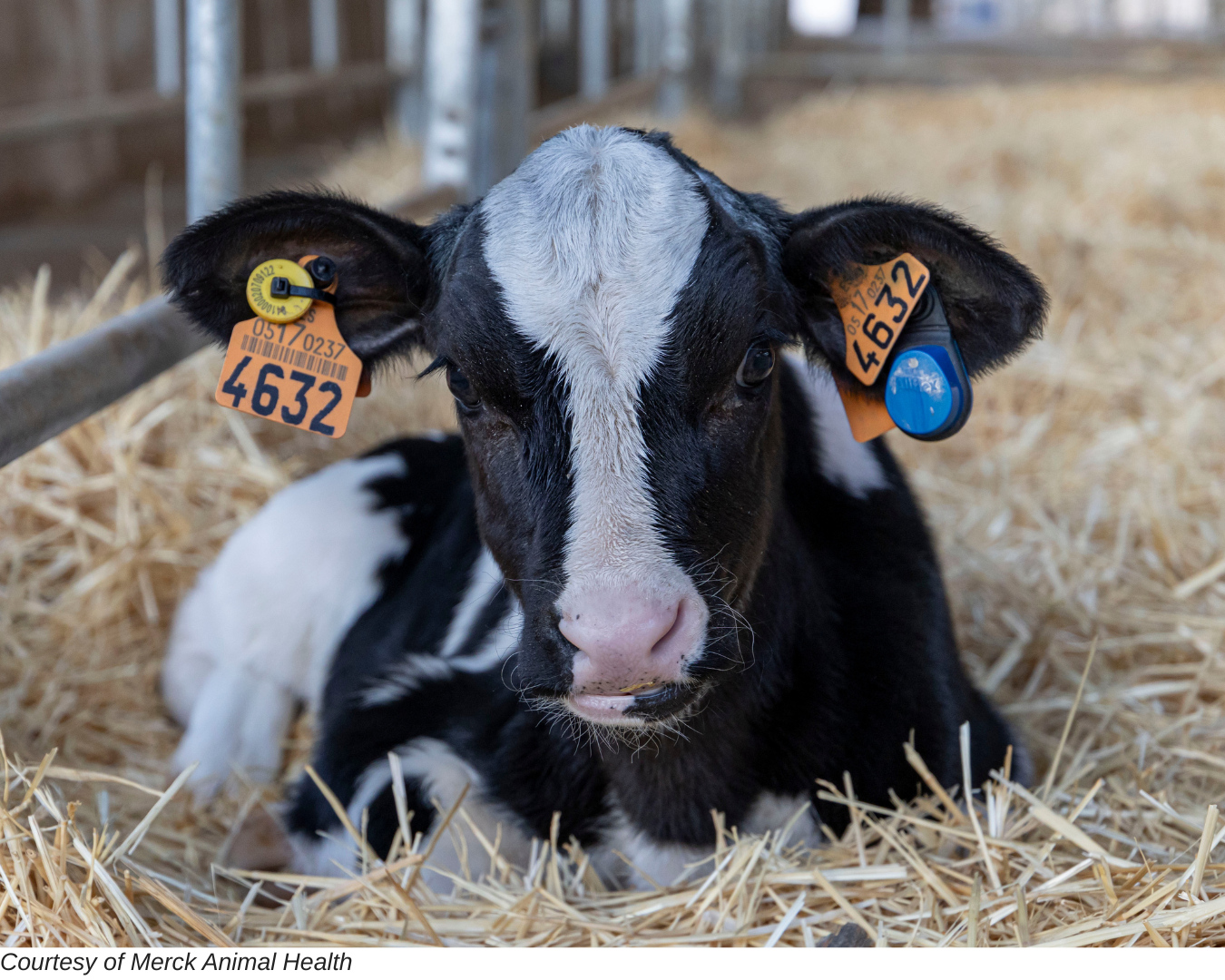
Some dairies have started using sensor technology in ear tags to provide another layer of calf monitoring. They report that sensor tags, which provide continuous monitoring 24/7, have improved early disease detection—especially of bovine respiratory disease, improved treatment success rates, reduced mortality rates, improved consistency among employees, reduced reliance on subjective observation to detect problems, and improved labor efficiency. However, those labor saving are secondary. The real value comes from improved calf health and performance from targeted early interventions.
Calf monitoring programs are not a one-size fits all. They can be tailored to your dairy, your employees and to the issues seen at your dairy. A strong pre-weaned calf monitoring system must be consistent, repeatable, objective and actionable. In addition, nutrition, hygiene and monitoring must function as a system, not as separate silos. All of the pieces must work together toward one simple goal: Identify disease early, treat effectively, and minimize long-term performance loss.
If you would like to learn more about monitoring pre-weaned calves, talk to your TDA veterinarian.


%20(1)%20(1).webp)